How Event-Led Brand Activations Drive Real-World Engagement


Understanding Event-Led Brand Activations
In today's competitive market, brands are constantly seeking innovative ways to engage with their audience. One such strategy that has gained traction is event-led brand activation. This approach involves creating memorable experiences that resonate with consumers, driving real-world engagement and fostering long-lasting brand loyalty.
Event-led brand activations are more than just promotional events; they are immersive experiences that allow consumers to interact with a brand in a meaningful way. By engaging the senses and emotions, these activations can create a strong connection between the customer and the brand.
The Power of Experiential Marketing
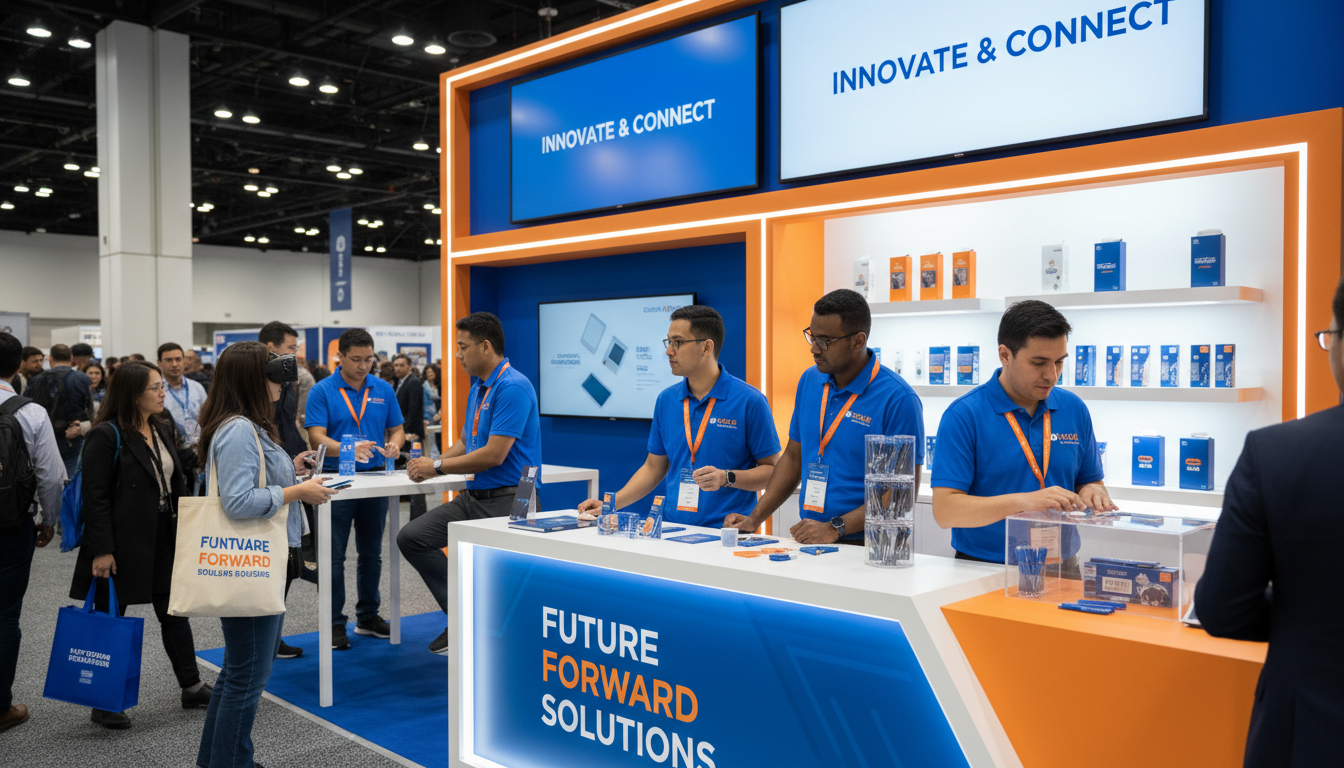
Experiential marketing is at the heart of event-led brand activations. It focuses on creating a direct connection between the brand and the consumer through interactive and memorable experiences. This form of marketing goes beyond traditional advertising by allowing consumers to experience the brand first-hand.
These experiences can take many forms, from pop-up shops and interactive installations to live demonstrations and workshops. The key is to create an environment where consumers feel a part of the brand's story, fostering a deeper connection and encouraging brand advocacy.
Building Authentic Connections
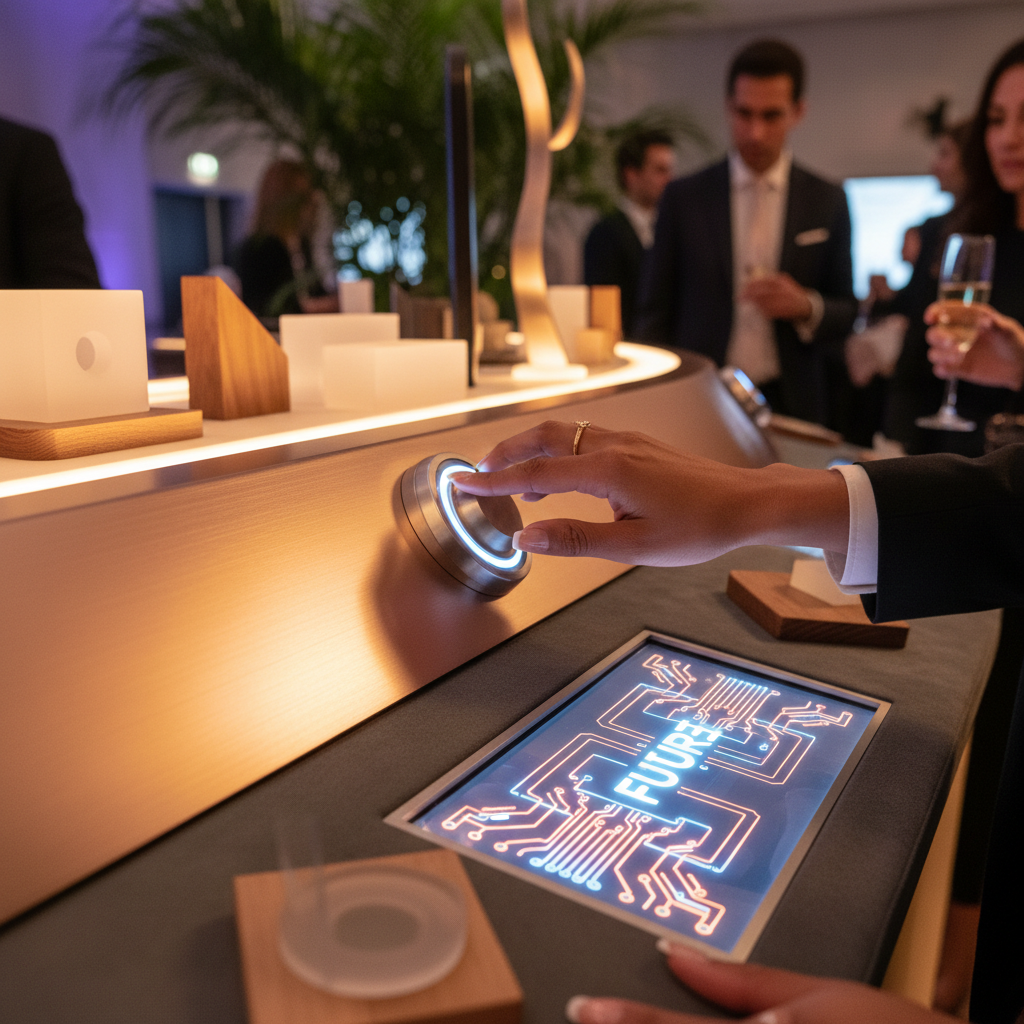
Authenticity is a crucial factor in successful brand activations. Consumers today are savvy and can easily spot inauthentic efforts. Building genuine connections requires understanding the audience's needs, values, and preferences.
Brands that succeed in this space often tailor their activations to reflect their core values and mission, ensuring that the experience aligns with the audience's expectations. This alignment helps build trust and encourages consumers to engage with the brand more meaningfully.
Measuring Success in Brand Activations
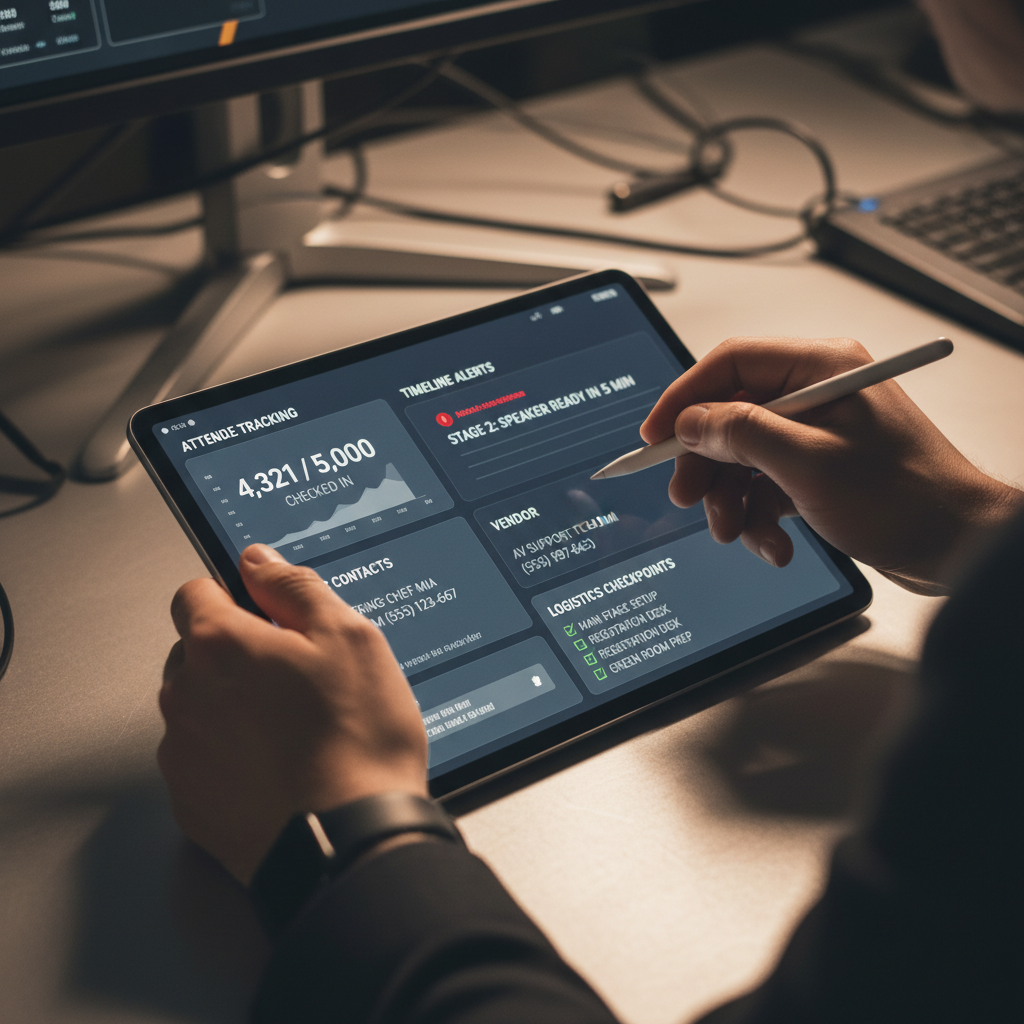
While creating engaging experiences is vital, measuring the success of these activations is equally important. Brands need to set clear objectives and key performance indicators (KPIs) to evaluate the effectiveness of their efforts.
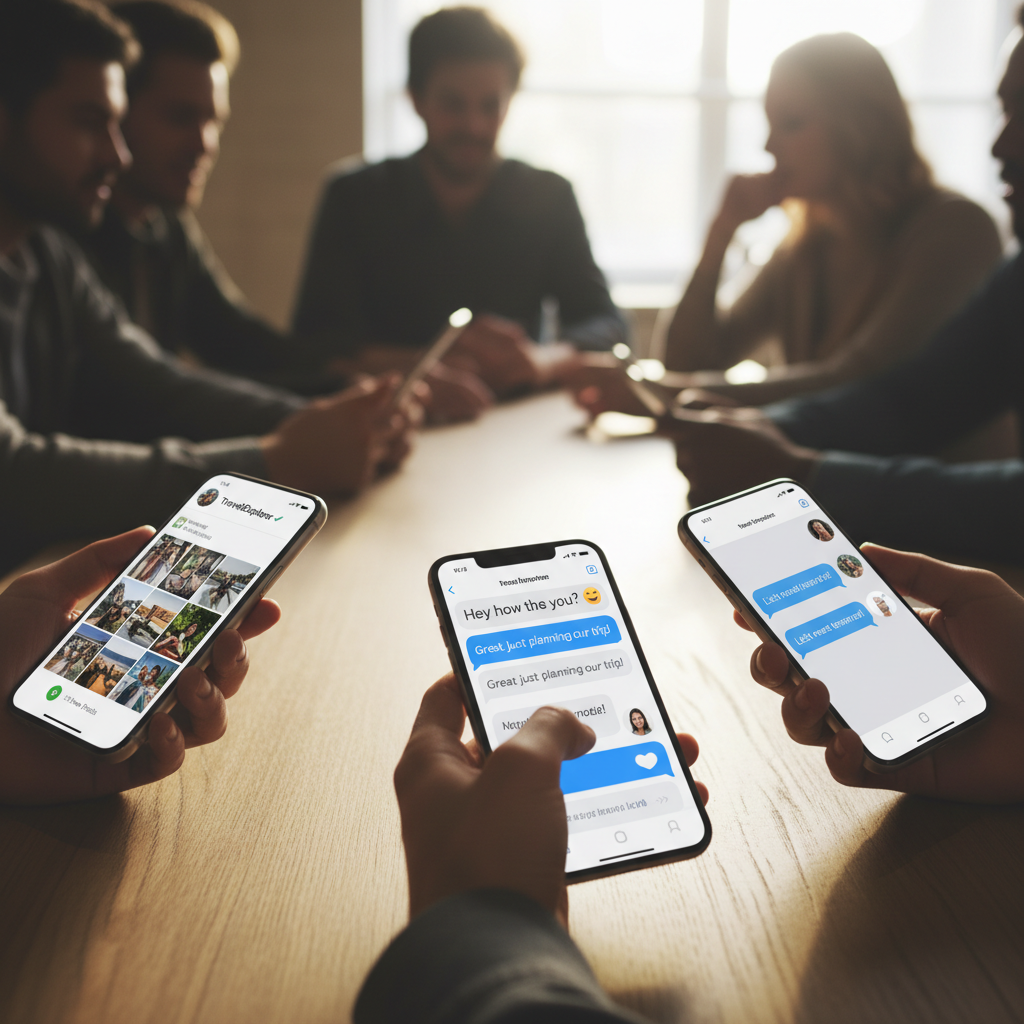
Common metrics include foot traffic, social media engagement, and customer feedback. Additionally, tracking sales and brand sentiment post-event can provide valuable insights into the activation's impact.
The Role of Technology in Enhancing Experiences
Technology plays a significant role in enhancing event-led brand activations. Augmented reality (AR), virtual reality (VR), and interactive displays are just a few examples of how technology can elevate the consumer experience.
These technologies enable brands to create unique and captivating experiences that are both memorable and shareable, extending the reach of the activation beyond the physical event. By incorporating tech-driven elements, brands can engage consumers in dynamic and innovative ways.
Conclusion: The Future of Brand Engagement
Event-led brand activations are set to become an integral part of marketing strategies as brands continue to seek authentic ways to connect with their audience. By focusing on creating immersive, memorable experiences, brands can foster deeper relationships with consumers and drive real-world engagement.
As technology continues to evolve, the possibilities for creating impactful brand activations are endless. By staying ahead of trends and embracing innovation, brands can ensure they remain relevant and engaging in the ever-changing landscape of consumer expectations.